
How to Determine How Many Portable Toilets Your Event Needs
Planning an event involves coordinating several details, from guest transportation and food service to seating arrangements and sanitation. One important consideration is providing enough restroom facilities to accommodate attendees comfortably throughout the gathering. Too few toilets can lead to long lines, frustrated guests, and sanitation concerns, while too many may create unnecessary expenses and occupy valuable event space. The right quantity depends on attendance, event duration, the type of gathering, and the availability of existing restrooms. Organizers arranging outdoor festivals, weddings, sporting events, and community celebrations should evaluate these factors before finalizing their plans. Portable toilet rentals provide a practical solution when permanent restroom facilities are unavailable or cannot handle the expected crowd. Careful planning also helps organizers position facilities conveniently while maintaining accessibility and hygiene. By understanding the factors that influence restroom demand, event planners can make informed decisions that support a more comfortable experience for everyone attending.
Estimating Attendance and Guest Demand
The expected number of attendees provides the starting point for determining restroom requirements. A small private gathering may need only a few units, while a festival attracting thousands of visitors requires a much larger sanitation plan. Organizers should estimate attendance using ticket sales, registration numbers, historical turnout, or other reliable planning information. They should also consider whether guests will arrive simultaneously or throughout the event, since concentrated arrival periods can create temporary demand spikes. Portable toilet rentals should be planned around realistic attendance estimates rather than optimistic assumptions that leave guests waiting. When attendance remains uncertain, discussing a reasonable capacity range with the rental provider can help establish a flexible plan. Organizers should also account for staff, vendors, performers, security personnel, and contractors who may need separate access to facilities. Reviewing the complete population on site helps prevent shortages that could otherwise disrupt event operations.
Adjusting Quantities for Event Duration
How long an event lasts can significantly affect restroom demand. A short ceremony or afternoon gathering may generate less overall use than a daylong festival or a weekend sporting event. Longer events give attendees more opportunities to use restroom facilities, particularly when food and beverages are readily available. Portable toilet rentals should therefore reflect both the expected crowd size and the number of hours guests will remain at the venue. Organizers planning multiday events should also establish a servicing schedule that keeps facilities clean and usable throughout the gathering. Rental providers can explain how tank capacity, expected usage, and service frequency influence the number of units needed. Events extending into the evening may require additional attention to lighting, safe access, and the placement of restroom areas. Planning for the full event schedule helps reduce the risk of overflowing units, unpleasant conditions, and avoidable interruptions.
Considering Food and Beverage Service
Food and beverage availability can influence how frequently guests need restroom facilities. Events featuring meals, alcohol, or continuous drink service may generate more restroom use than gatherings with limited refreshments. Organizers should consider the type of menu, the length of meal service, and whether beverages will be available throughout the venue. According to IBISWorld, the U.S. portable toilet rental industry recorded a market size of approximately $2.8 billion in 2023, illustrating the substantial demand for temporary sanitation solutions. Portable toilet rentals can help event planners accommodate changing restroom needs when permanent facilities are limited. The presence of food trucks, bars, refreshment stands, and dining tents should also influence restroom placement and crowd-flow planning. Facilities positioned near convenient access routes can help guests reach them without crossing busy service areas or creating congestion. A balanced layout supports sanitation while allowing food service and other event activities to continue smoothly.
Selecting Facilities for Different Event Types
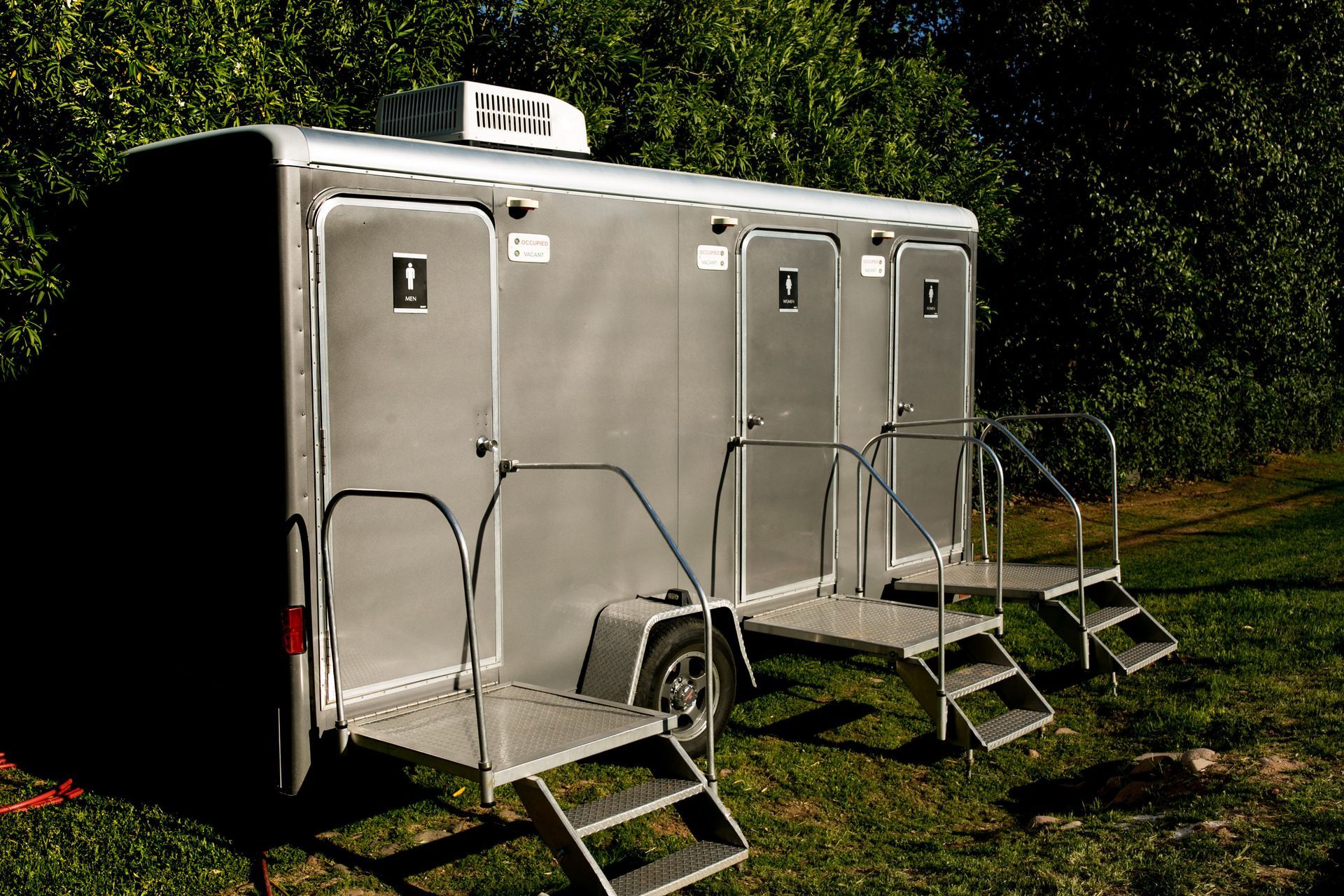
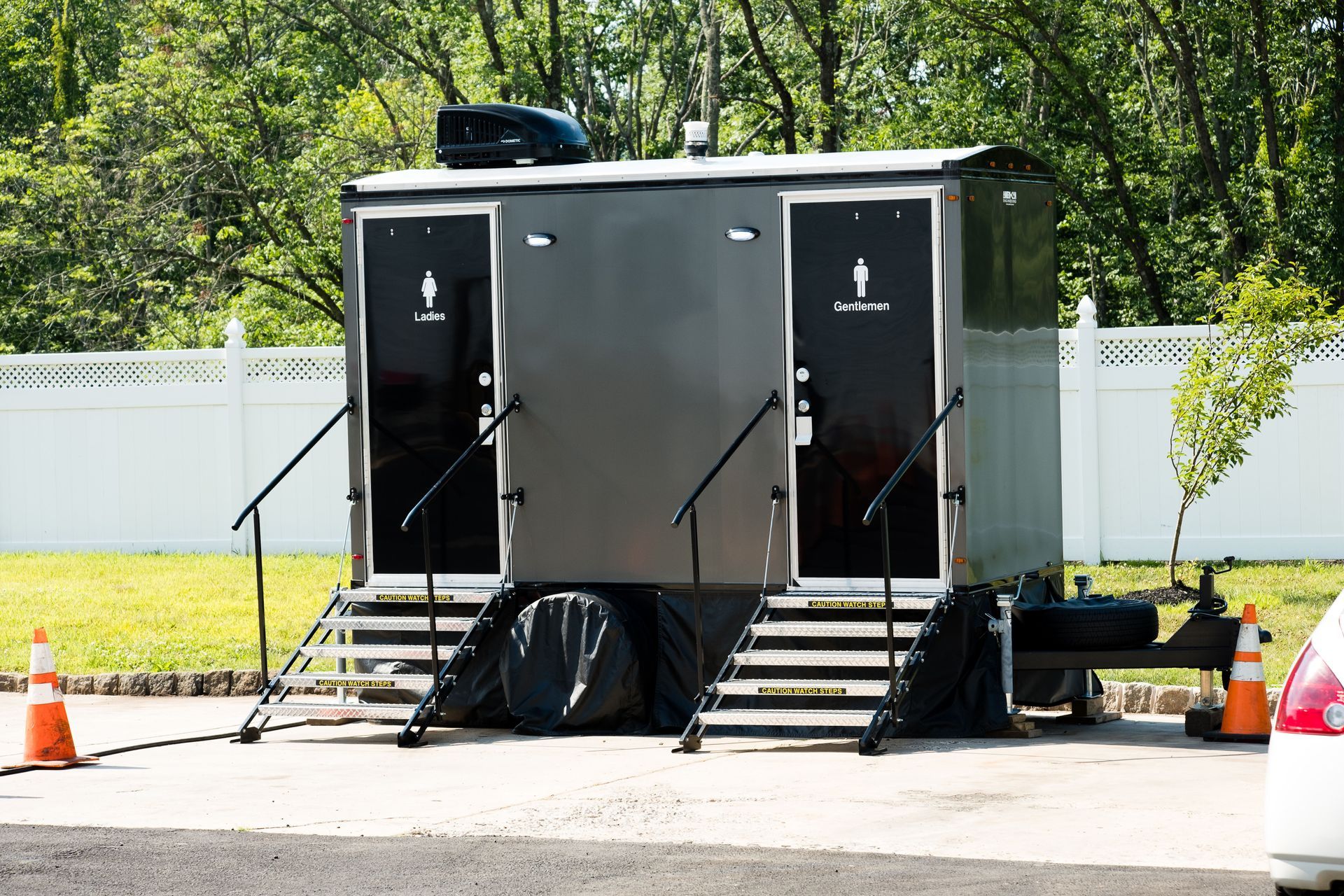
Different gatherings create different restroom requirements, so organizers should consider the nature of the event before choosing a rental package. A formal wedding may prioritize clean, well-maintained units placed discreetly near guest areas. A construction-themed demonstration, outdoor concert, or sporting competition may require durable facilities that can accommodate steady traffic over several hours. Portable toilet rentals can include options suited to different settings, depending on provider availability and site requirements. Larger events may benefit from restroom trailers that offer additional amenities when suitable space, access, and budget are available. Organizers should also determine whether handwashing stations are needed alongside standard units. The selected facilities should reflect the expected audience, event atmosphere, and practical conditions at the site. Discussing these details with a rental provider helps ensure that the sanitation setup is appropriate rather than relying on a single arrangement for every gathering.
Providing Accessible and Inclusive Restroom Options
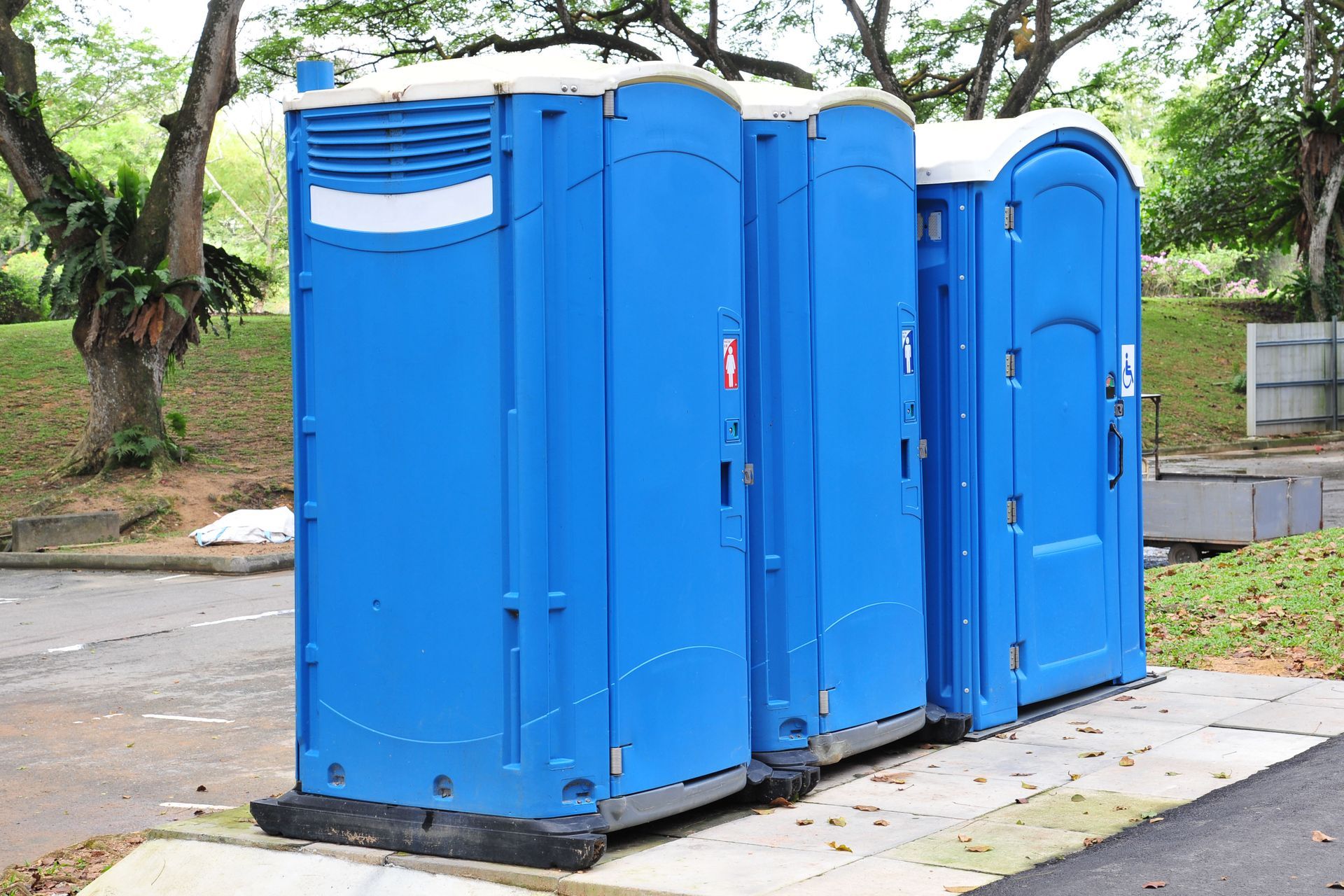
An effective restroom plan should account for attendees with different mobility and accessibility needs. Standard portable units may not provide enough space or the access features required by guests who use wheelchairs or other mobility aids. Organizers should determine how many accessible units are appropriate based on attendance, venue requirements, and applicable accessibility standards. Portable toilet rentals should be positioned on stable, accessible routes that do not require guests to cross uneven ground or navigate avoidable obstacles. Clear pathways, sufficient maneuvering space, and appropriate placement help people reach facilities more independently. Organizers should also consider the distance between accessible units, seating areas, entrances, and major activity zones. Where required, accessible facilities should be provided in accordance with applicable regulations rather than treated as an optional convenience. Inclusive planning makes restroom access more practical for a wider range of attendees and contributes to a better overall event experience.
Choosing Convenient Locations Across the Venue
The number of toilets matters, but their placement can be just as important. Facilities clustered in one corner may leave guests in distant areas walking much farther than necessary. Organizers should review the venue layout, identify major gathering points, and distribute units where attendees can reach them conveniently. Portable toilet rentals should be placed on stable ground with adequate space for delivery, servicing, and safe guest access. Units should not block emergency routes, accessible pathways, exits, food service operations, or other essential areas. Event teams should also consider lighting, signage, privacy, ventilation, and separation from food preparation zones. For larger venues, clearly marked restroom locations can help visitors find facilities without repeatedly asking staff for directions. A thoughtful placement plan reduces unnecessary walking and helps prevent crowding around individual restroom areas.
Planning Cleaning and Waste Servicing
Providing enough units at the beginning of an event does not guarantee that sanitation needs will remain covered. Heavy use can lead to full holding tanks, depleted supplies, unpleasant odors, and reduced cleanliness if facilities are not serviced appropriately. Organizers should ask the rental provider how frequently units need inspection, cleaning, restocking, and waste removal. Portable toilet rentals for multiday or high-attendance events may require scheduled servicing during the gathering. The service plan should identify access routes and suitable times for maintenance vehicles to reach the units without interfering with guests. Organizers should also designate a contact person who can report problems and coordinate any necessary adjustments. Handwashing supplies and other hygiene provisions should be checked regularly where they are included in the setup. Proactive servicing helps maintain usable facilities and reduces the likelihood that sanitation issues will affect the event.
Determining the right number of restrooms requires more than estimating the guest count. Event duration, refreshments, facility accessibility, venue layout, servicing needs, and budget all influence the final arrangement. Organizers who evaluate these factors early can reduce restroom lines and provide a more comfortable environment for attendees. Dumas Pumping Service can help event planners discuss sanitation requirements and explore suitable temporary restroom options. Contact us to review your event size, schedule, and venue conditions and plan a restroom setup that supports a clean, convenient experience for your guests.



Share On: